When Will Fall Colors Peak in the Smoky Mountains? 2026 Fall Foliage Guide
When do fall colors peak in the Smoky Mountains? Learn how elevation, temperature, rainfall, and weather affect fall foliage, plus the best times and places to see fall color in 2026.
If you're planning a fall trip to the Smoky Mountains, there's one question almost everyone asks: When will the leaves peak?
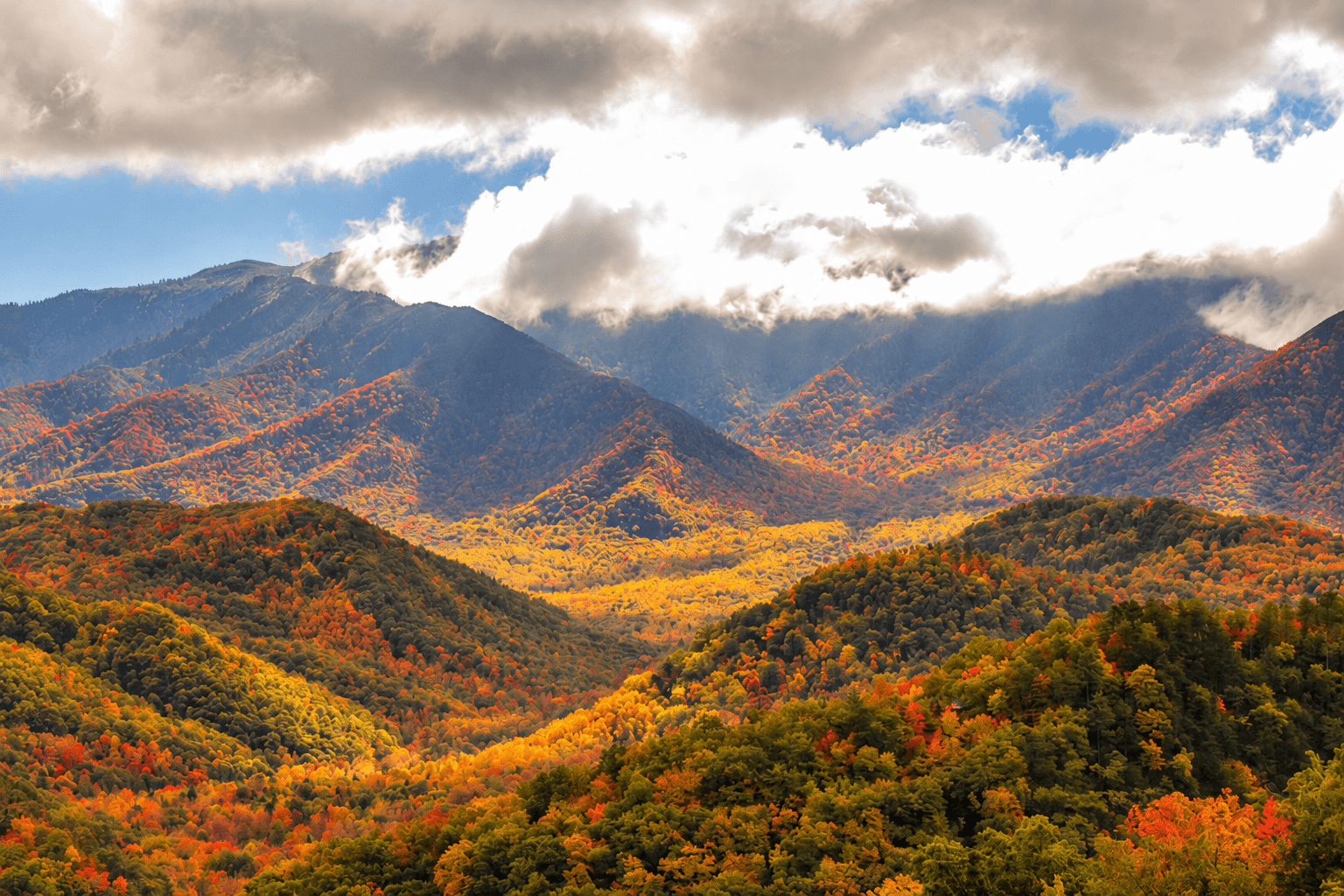
There isn't one peak date for the entire Smokies. Fall color typically begins at the highest elevations in late September and early October, then gradually moves down the mountains into the middle and lower elevations. The most brilliant displays at lower elevations often occur from mid-October into early November.
That's actually good news for visitors. Great Smoky Mountains National Park ranges from about 875 feet to 6,643 feet in elevation, giving you several weeks to find great fall color somewhere in the mountains.
Weather matters, too. Temperature, rainfall, sunlight, drought, wind, and early freezes can all affect when leaves change, how vibrant the colors become, and how long they remain on the trees.
Here's how fall color in the Smokies actually works and how to give yourself the best chance of seeing it in 2026.
Quick Answers: Smoky Mountains Fall Colors
When do fall colors start in the Smoky Mountains?
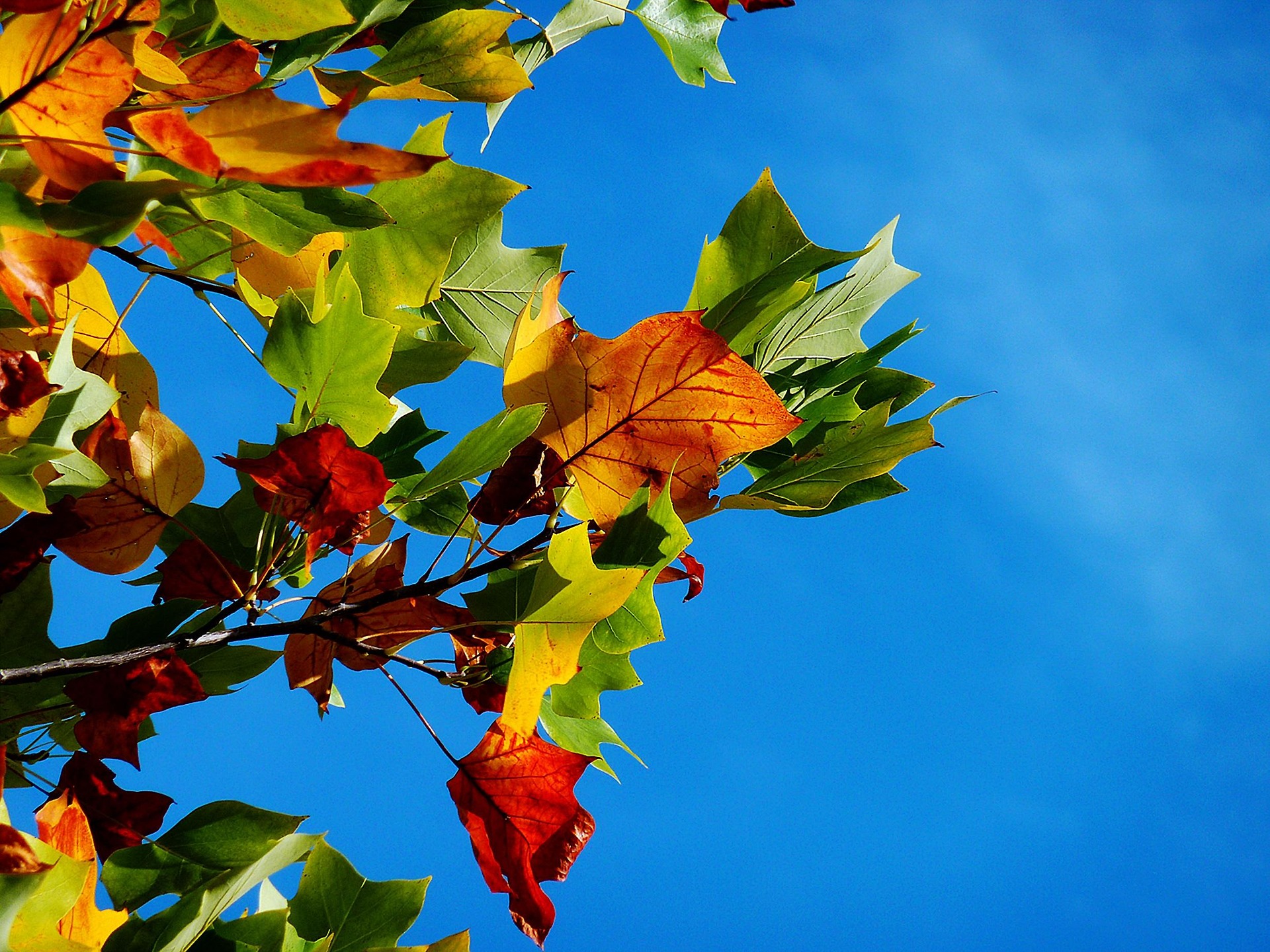
Fall color can begin appearing at the highest elevations as early as mid to late September. Lower elevations usually remain green much longer.
When do fall colors peak in the Smoky Mountains?
There isn't a single peak date. High elevations typically change first, followed by middle elevations and then lower areas. The National Park Service says the most brilliant displays at middle and lower elevations typically occur between mid-October and early November.
What is the best time to see fall colors in Gatlinburg?
The second half of October is historically a strong window for fall color around Gatlinburg and the surrounding middle and lower elevations. Weather can shift the timing from year to year.
Does elevation affect fall color in the Smokies?
Yes. Elevation is one of the biggest factors affecting when fall colors appear. Trees around Kuwohi and Newfound Gap can change weeks before trees in lower areas such as Gatlinburg, Townsend, and Cades Cove.
Can weather change peak fall color?
Yes. Temperature, rainfall, drought, sunlight, wind, and freezes can affect the timing, intensity, and duration of fall color.
Why There Isn't One Peak Fall Color Date in the Smokies
Fall color doesn't happen everywhere in Great Smoky Mountains National Park at once. The park stretches from roughly 875 feet to 6,643 feet above sea level, creating very different growing conditions from one area to another.
Temperatures can vary significantly between the valleys and highest peaks. Trees near Kuwohi can experience fall conditions well before trees around Gatlinburg, Townsend, or Cades Cove.
The result is a wave of color that gradually moves down the mountains. Think of fall in the Smokies less like flipping a switch and more like slowly pouring color down the side of a mountain.
That elevation difference is also one of your biggest advantages when planning a fall trip. If the leaves aren't changing where you are, you may be able to drive higher or lower and find much better color.
Smoky Mountains Fall Color Timeline by Elevation
The exact timing changes every year, but elevation provides a useful guide for knowing where to look throughout the fall season.
| Time of Year | Where to Look for Fall Color |
|---|---|
| Mid to late September | Kuwohi and the highest elevations |
| Late September to early October | Highest ridges and upper sections of Newfound Gap Road |
| Early to mid-October | Areas above roughly 4,000 feet |
| Mid to late October | Middle elevations throughout the park |
| Late October | Gatlinburg, Little River Road, Cades Cove and lower elevations |
| Early November | Lower valleys and foothills, depending on weather |
This is a historical guide, not a guarantee. Weather conditions throughout the year can cause the progression to run earlier or later.
Mid to Late September: Fall Color Begins at the Highest Elevations
The first noticeable fall colors usually appear at the highest elevations of Great Smoky Mountains National Park. If you're visiting in September, don't expect Gatlinburg or Cades Cove to be covered in orange and red leaves yet.
Instead, head higher. Areas around Kuwohi, Newfound Gap, and the highest sections of Newfound Gap Road offer a better chance of finding early fall color.
Trees and plants such as yellow birch, American beech, mountain maple, hobblebush, and pin cherry can begin changing early in the season.
Early to Mid-October: Look Above 4,000 Feet
By early to mid-October, fall color typically becomes much more noticeable above approximately 4,000 feet.
This can be one of the most interesting times to visit the Smokies because multiple seasons can appear in the same view. Higher ridges may be showing brilliant fall color while the valleys below remain mostly green.
Newfound Gap Road is particularly useful for chasing fall color because it quickly gains elevation as it climbs from Gatlinburg toward Newfound Gap. Continuing toward Kuwohi takes you even higher.
If the trees around Gatlinburg still look green in early October, don't assume you've arrived too early. You may simply need to go up.
Mid-October Through Early November: Middle and Lower Elevations
This is the period most people picture when they imagine fall in the Smokies. As cooler conditions reach lower elevations, forests around Gatlinburg, Townsend, Cades Cove, Little River Road, and the surrounding valleys begin changing dramatically.
The incredible diversity of trees in Great Smoky Mountains National Park creates the mix of yellow, orange, red, and gold associated with fall in the region. Sugar maple, scarlet oak, sweetgum, red maple, yellow poplar, hickories, and many other species contribute to the display.
The National Park Service says the most brilliant displays below 4,000 feet commonly occur from mid-October into early November.
How Weather Affects Fall Colors in the Smoky Mountains
Elevation helps predict where leaves are likely to change first. Weather plays a major role in determining when they change, how vibrant they become, and how long they stay on the trees.
The best fall color generally develops when trees have had adequate moisture during the growing season followed by autumn conditions with sunny days and cool nights. Drought, prolonged warmth, freezes, heavy rain, and strong winds can all change the outcome.
Cool Nights Help Trigger Fall Color
Shorter days and cooler temperatures signal that the growing season is ending. Chlorophyll begins breaking down, causing the green color in leaves to disappear and allowing other pigments to become visible.
Cool autumn nights can help the process along, but there's an important difference between cool weather and a hard freeze. A stretch of sunny days and cool nights without freezing temperatures can create excellent conditions for fall color.
An unusually early hard freeze can damage leaves and reduce the quality or duration of the display.
Sunny Days Can Produce More Vibrant Reds
Bright red and purple fall colors come largely from pigments called anthocyanins, which are produced in leaves during fall. Sunny autumn days can help promote their development.
Yellow and orange pigments, called carotenoids, are already present in leaves during the growing season. They become visible as green chlorophyll breaks down.
That's one reason a stretch of bright, sunny days paired with cool nights can produce especially impressive fall color.
Rainfall and Drought Affect Fall Foliage
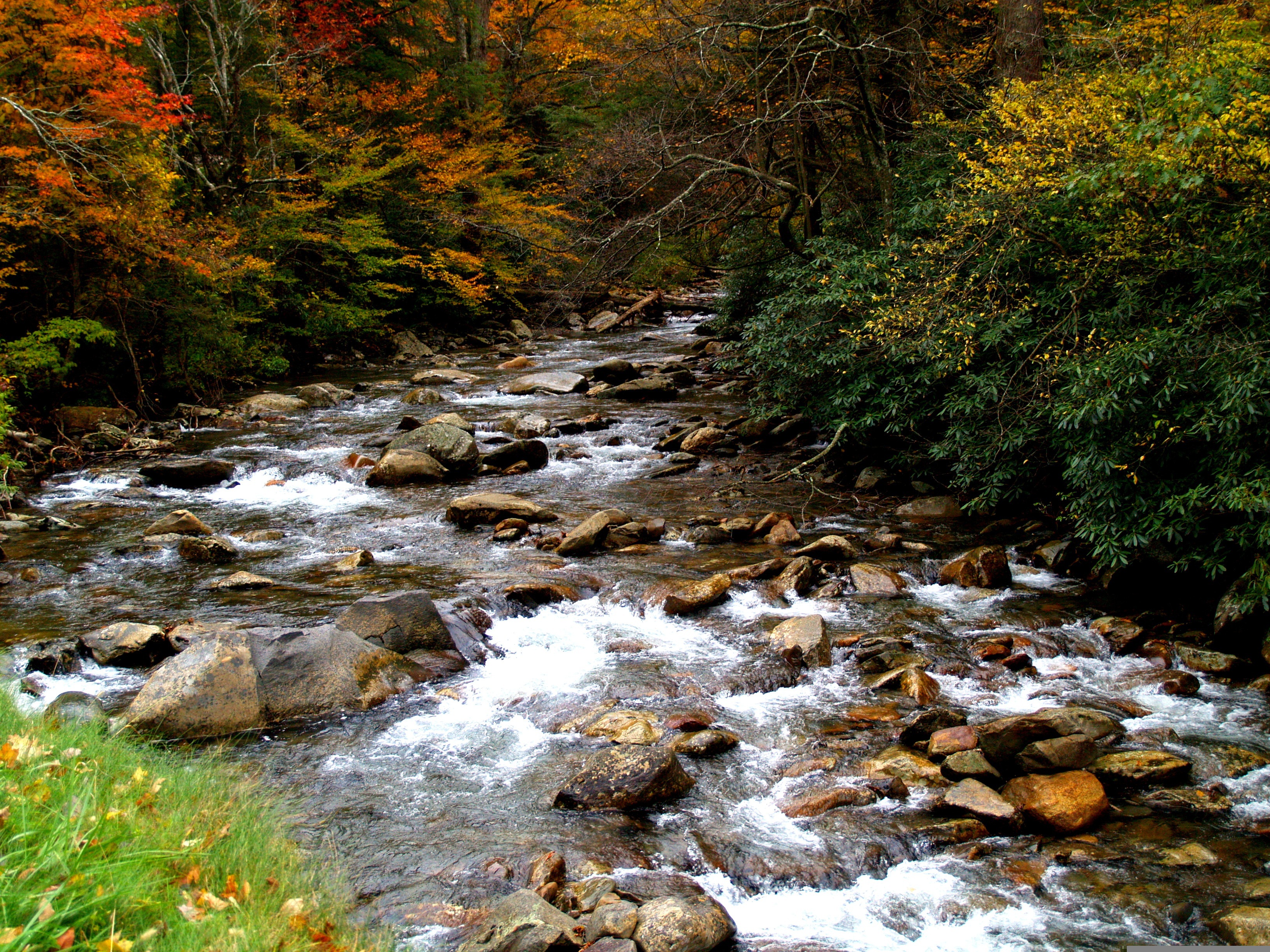
Trees need adequate moisture throughout the growing season. Healthy rainfall can help leaves remain healthy as fall approaches, while significant drought stress can cause some trees to change prematurely, turn brown, or drop leaves early.
Rain during your fall trip doesn't necessarily mean the color season is ruined. The bigger story is the weather trees have experienced over the preceding weeks and months.
Wind and Storms Can End Peak Color Quickly
Sometimes the leaves reach beautiful peak color only for a strong storm to arrive a few days later. Heavy rain and wind can strip leaves from trees surprisingly quickly once they're late in the color cycle.
This is another reason it's difficult to declare one perfect "peak weekend" months in advance. Even if a storm knocks leaves down at higher elevations, great color may still be developing farther down the mountain.
What Should Visitors Expect for Fall Colors in 2026?
It's still too early to responsibly name an exact peak weekend for the 2026 Smoky Mountains fall color season.
That's normal. The National Park Service notes that predicting exact peak dates is difficult because environmental conditions influence when leaves change.
Instead of planning your entire trip around a single forecasted date, watch how the season develops as your trip gets closer.
Visiting in late September or early October? Look toward the highest elevations.
Visiting in mid-October? Explore higher and middle elevations.
Visiting in late October? Middle and lower elevations may provide some of the best color.
Visiting in early November? Look toward the lower valleys and foothills.
The enormous elevation range of the Smokies gives visitors the ability to chase the color rather than relying on one specific location.
Best Places to See Fall Colors in the Smoky Mountains
You don't have to hike deep into the backcountry to experience great fall foliage. Some of the best views in the Smokies are accessible by road or relatively short walks.
Newfound Gap Road
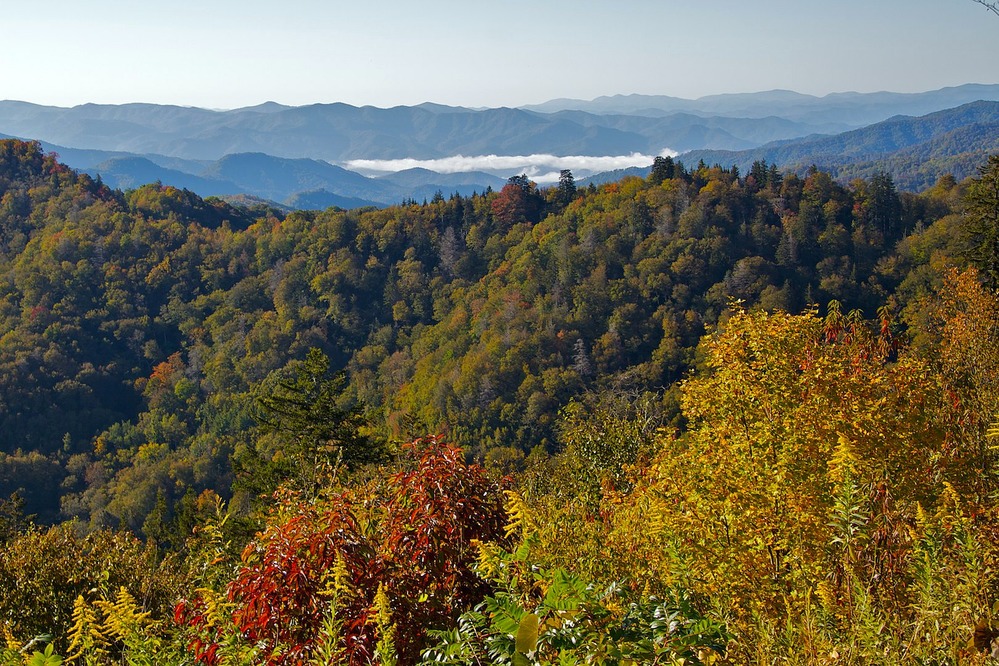
Newfound Gap Road is one of the best drives for chasing fall color at different elevations. The road climbs from the Gatlinburg area toward Newfound Gap before descending toward Cherokee, North Carolina.
Because of the significant elevation change, you can experience very different stages of fall color along the same drive. If the lower elevations haven't changed yet, keep climbing.
Foothills Parkway
Foothills Parkway is one of the best places for wide mountain views during fall. Numerous overlooks provide panoramic views across layers of ridges, making it especially impressive when color begins spreading across the mountains.
Look Rock is another popular stop along the parkway for expansive views of the surrounding mountains.
Cades Cove
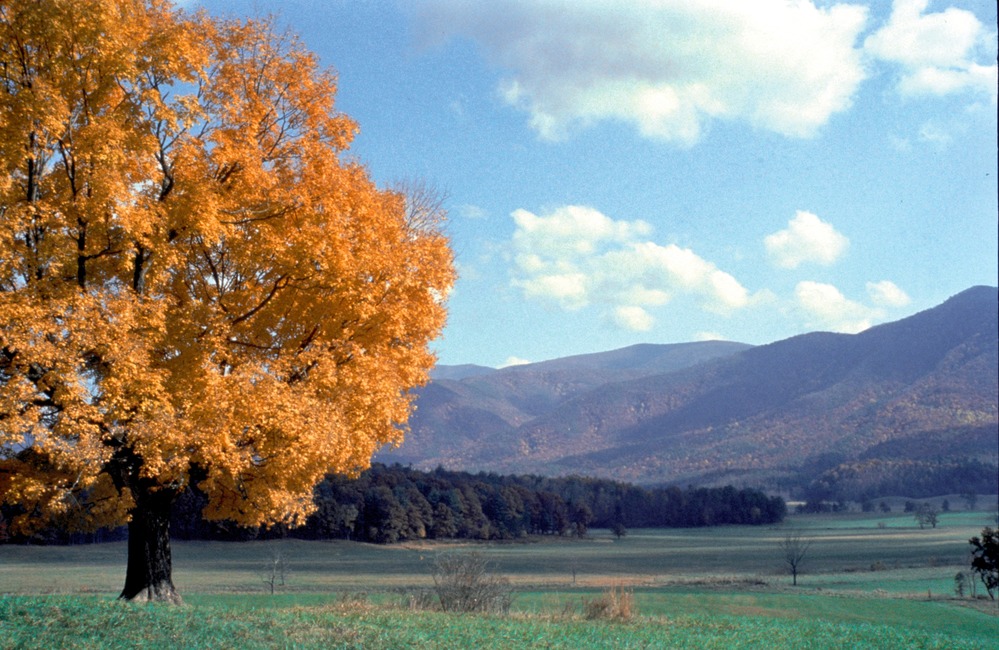
Cades Cove combines fall foliage, historic structures, mountain views, and wildlife in one of the park's most recognizable landscapes.
It's also extremely popular during October. Traffic can become significant, so allow plenty of time and consider visiting early or later in the day.
Little River Road
Little River Road is a great choice for lower-elevation fall color later in the season. The road follows the Little River between the Gatlinburg area and Townsend, combining colorful forest with streams, waterfalls, and roadside pull-offs.
This can be an especially good option in late October when color has moved into the lower elevations.
Roaring Fork Motor Nature Trail
Roaring Fork Motor Nature Trail offers a combination of dense forest, mountain streams, historic structures, and fall foliage close to Gatlinburg.
The narrow, one-way road is particularly scenic during fall but can become busy during peak October weekends. Check current operating conditions before visiting because the road closes seasonally.
Blue Ridge Parkway
The Blue Ridge Parkway begins just outside Great Smoky Mountains National Park near Cherokee and provides another excellent opportunity to follow fall color through changing elevations.
If you're staying on the North Carolina side of the Smokies or driving through Cherokee, it's easy to combine portions of the parkway with your Great Smoky Mountains National Park trip.
Best Fall Hikes in Great Smoky Mountains National Park
Fall is also one of the best times of year to explore the Smokies on foot. Cooler temperatures make hiking more comfortable, while changing leaves can completely transform familiar trails.
Popular options for fall scenery include:
- Porters Creek Trail
- Hen Wallow Falls
- Oconaluftee River Trail
- Cove Hardwood Nature Trail
- Look Rock
- Little River Trail
- Cucumber Gap
- Jakes Creek
During busy fall weekends, consider exploring less-visited areas rather than automatically heading toward the park's most famous destinations.
How to Avoid Fall Crowds in the Smoky Mountains
October is the busiest month of the year in Great Smoky Mountains National Park, and popular destinations such as Cades Cove, Kuwohi, Newfound Gap, and Roaring Fork can experience heavy traffic and limited parking.
A little planning can make a major difference. Start early, consider visiting popular areas later in the afternoon, and always have a backup destination in mind. Allow more travel time than your GPS suggests, especially on October weekends.
If you'll be parking inside Great Smoky Mountains National Park for more than 15 minutes, you'll also need a parking tag. Purchase your tag ahead of time when possible and check current road and trail conditions before leaving for the park.
Don't Use the Gatlinburg Forecast for the Entire National Park
Checking the Gatlinburg weather forecast isn't enough if you're heading into the higher elevations of Great Smoky Mountains National Park.
Weather conditions can change dramatically as you gain elevation. The National Park Service warns that temperatures at higher elevations can be significantly colder than conditions in the surrounding valleys.
If you're driving toward Newfound Gap or Kuwohi, bring layers even when Gatlinburg feels comfortable. Mountain weather can also change quickly, particularly later in the fall.
When Is the Best Time to Visit the Smoky Mountains for Fall Colors?
Mid-October through the end of October is historically one of the strongest windows for seeing widespread fall color in the Smoky Mountains. However, there is no guaranteed peak date.
If your schedule is flexible, don't get too caught up trying to identify one perfect day. The park's elevation range gives you options.
If you're early, go higher.
If you're late, stay lower.
If you're right in the middle, explore.
There's usually somewhere in the mountains putting on a show.
Follow Fall in the Smokies With SmokiesApp
Fall in the Smokies doesn't follow a calendar perfectly, and neither should your trip.
SmokiesApp is being built to help you discover what's happening around Gatlinburg, Pigeon Forge, Sevierville, Townsend, and Great Smoky Mountains National Park while you're actually here.
Find places to explore, local events, restaurants, deals, hikes, hidden gems, and things happening nearby. When weather, crowds, or changing conditions affect your plans, finding something else to do shouldn't take your entire afternoon.
Save. Explore. Play.
Plan your Smokies trip with SmokiesApp
Deals, events, trails, and local tips in one app. Join the waitlist for first access.
Frequently asked questions
When do fall colors peak in the Smoky Mountains?
There isn't one peak date for the entire park. High-elevation color can begin in September, while the most brilliant displays at middle and lower elevations typically occur from mid-October into early November.
What is the best week for fall colors in Gatlinburg?
Historically, the second half of October is a strong period for fall color around Gatlinburg and the surrounding middle and lower elevations. Exact timing varies every year depending on weather conditions.
Is early October too early for fall colors in the Smokies?
No. Lower elevations may still be mostly green, but significant color can already be developing at higher elevations. Newfound Gap Road, Newfound Gap, and Kuwohi are good places to look for earlier color.
Is November too late for fall colors in the Smoky Mountains?
Not necessarily. Lower elevations can still have excellent color in early November, particularly during years when the fall color season develops later.
Does rain make the leaves change color?
Rain itself isn't what triggers leaves to change. Shorter days and cooler temperatures are major signals, while rainfall throughout the growing season affects tree health. Heavy rain and wind during peak color can knock leaves from trees.
Does cold weather make the leaves change faster?
Cool nights can help encourage the fall color process, but very cold temperatures and early hard freezes can damage leaves. Sunny days paired with cool, non-freezing nights generally provide favorable conditions for vivid fall color.
Where should I go if the leaves haven't changed in Gatlinburg yet?
**Go higher.** Drive Newfound Gap Road toward Newfound Gap and Kuwohi. Higher elevations generally develop fall color before Gatlinburg and the surrounding lower valleys.
Where should I go if the leaves are already gone at higher elevations?
**Go lower.** Little River Road, Cades Cove, Townsend, Gatlinburg, and other lower-elevation areas generally reach their best fall color later than the highest mountains.
Is Cades Cove good for fall colors?
Yes. Cades Cove is one of the most popular places to experience fall in Great Smoky Mountains National Park because it combines colorful forests, open valleys, mountain views, historic buildings, and opportunities to see wildlife.
What is the best scenic drive for fall colors near Gatlinburg?
Newfound Gap Road is one of the best choices because it provides access to a wide range of elevations. Foothills Parkway, Little River Road, Cades Cove Loop Road, and Roaring Fork Motor Nature Trail are also popular fall drives.