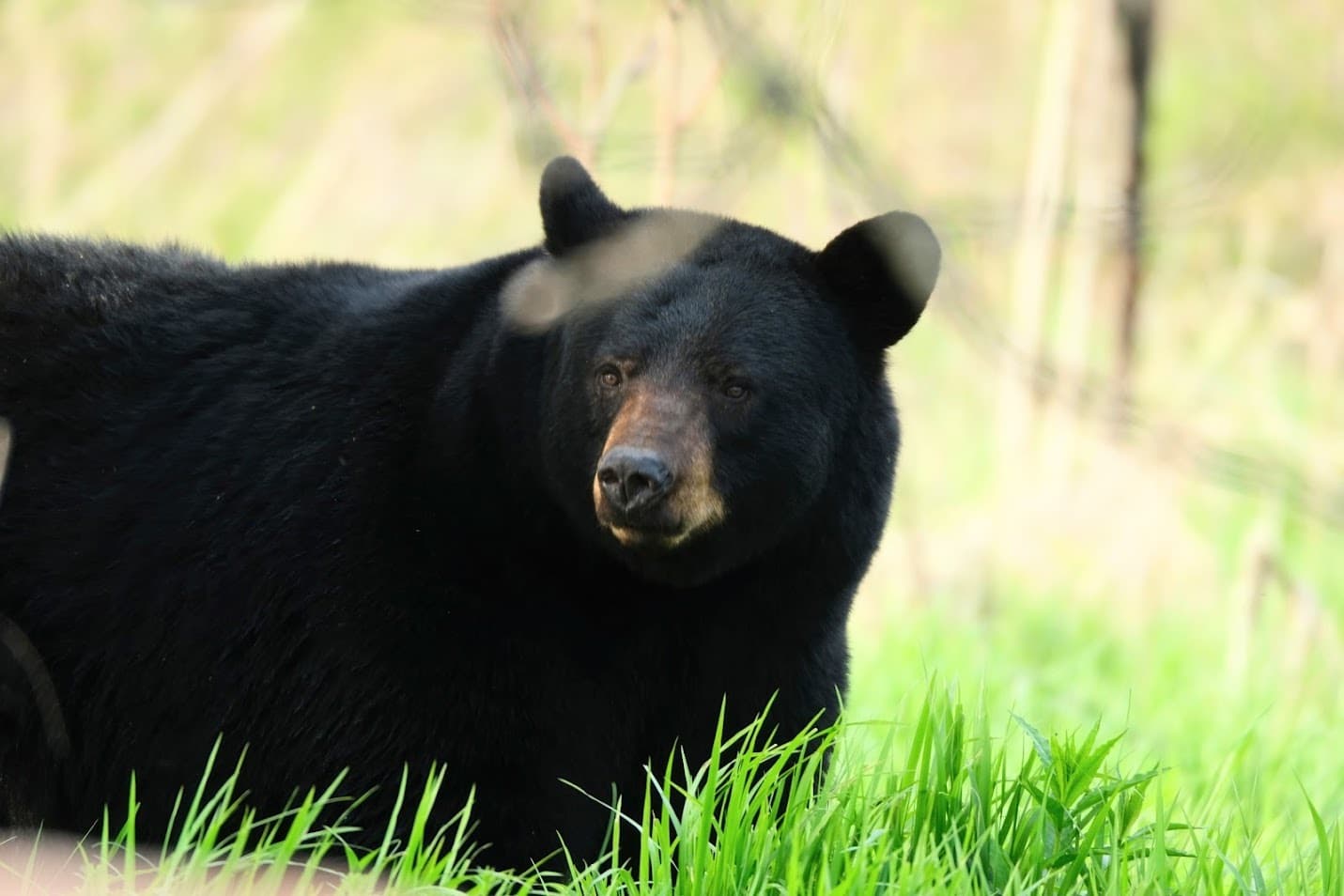
Black Bears Are Especially Active in the Smokies Right Now. Here's What Visitors Should Know
Black bears are especially active in the Smokies during the summer. Learn why sightings increase this time of year, where you’re most likely to see a bear, and how to safely enjoy one of the park’s most iconic wildlife experiences.
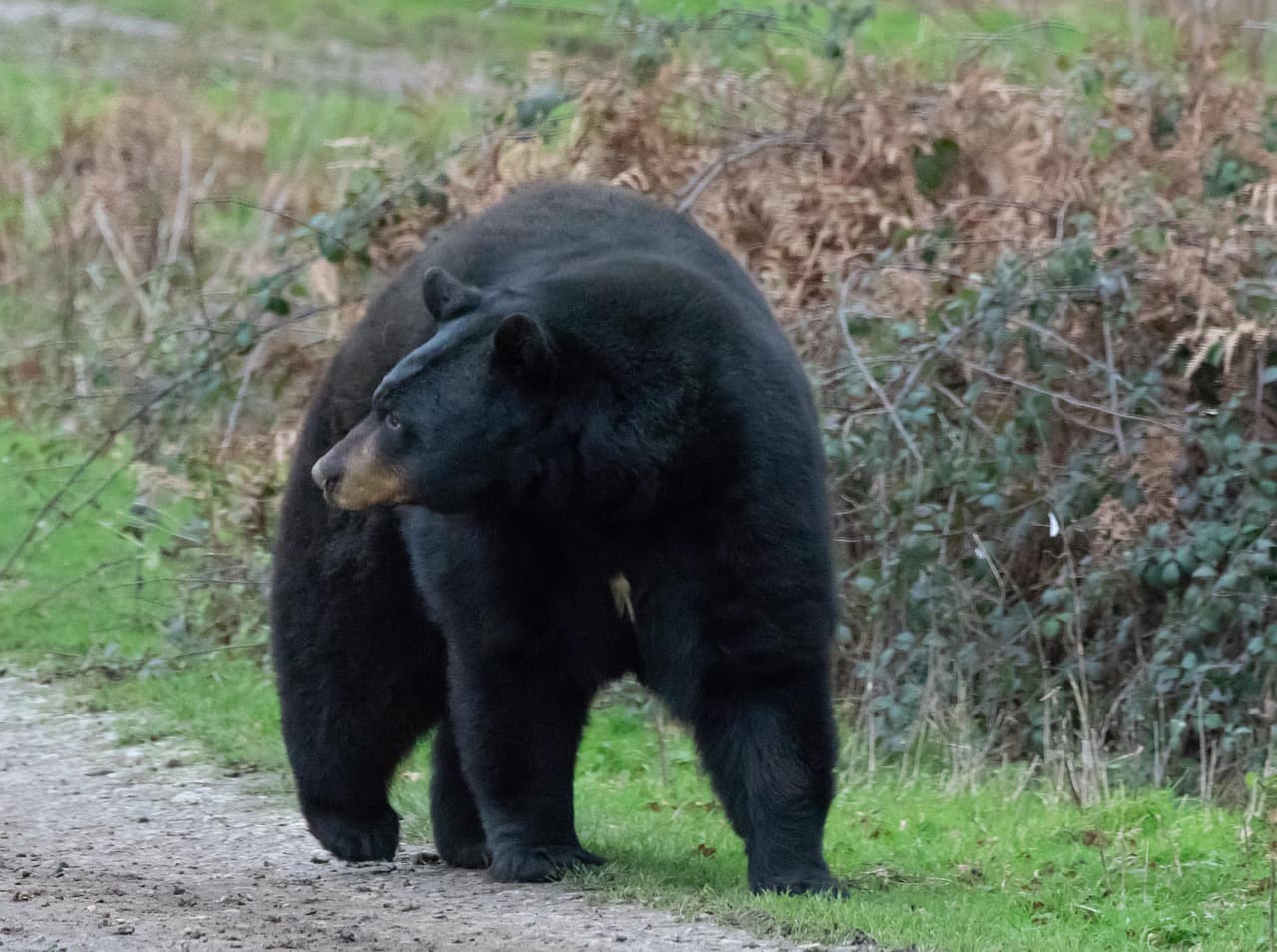
Planning a trip to the Smoky Mountains this summer?
You have a better chance of seeing a black bear than you might think.
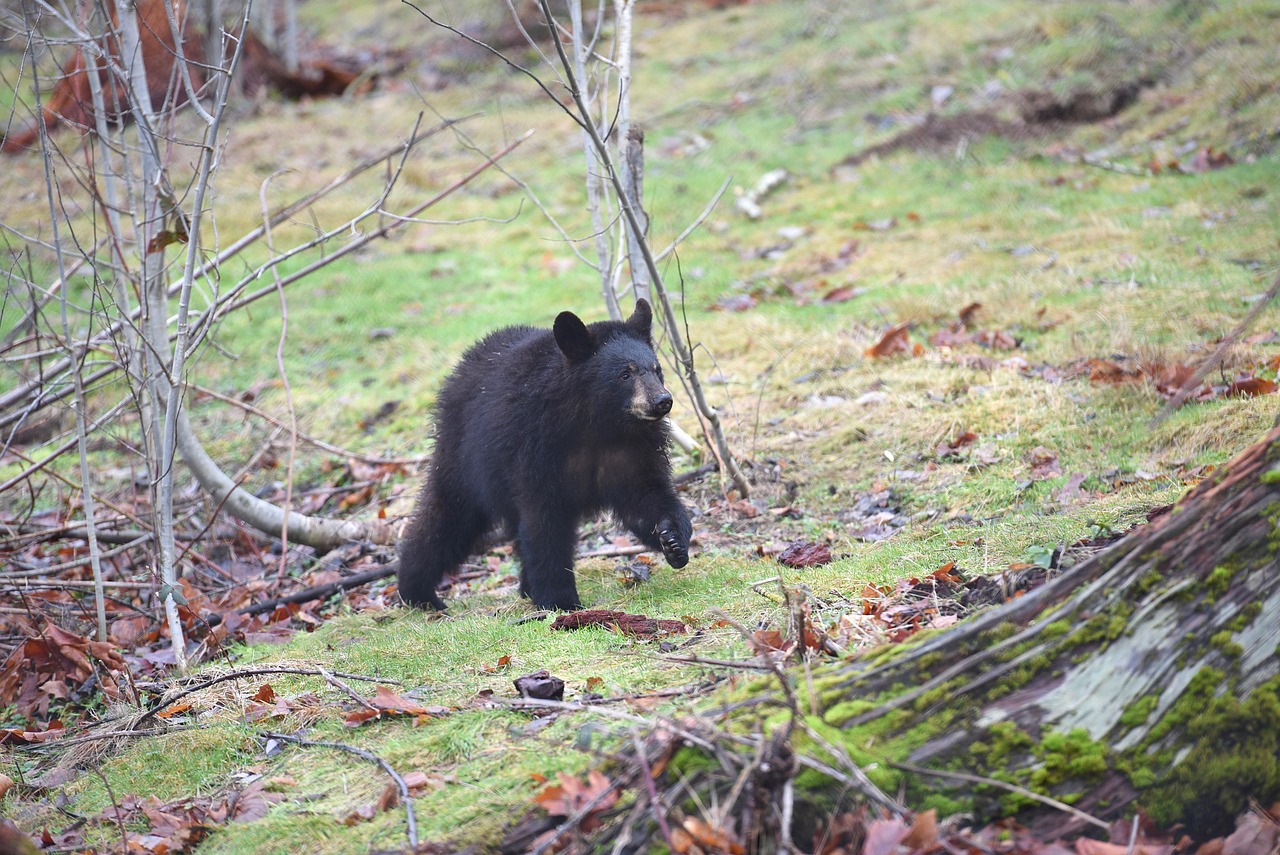
Summer is one of the most active times of year for black bears in Great Smoky Mountains National Park. As bears search for food, raise cubs, and travel during breeding season, sightings become much more common across the park and even in nearby communities like Gatlinburg.
Seeing a bear can be one of the highlights of your trip, but it's important to know how to safely enjoy the experience.
Here's what visitors should know before heading into bear country.
Quick Facts
Best Time to See Bears
May through August
Where You're Most Likely to See One
Cades Cove
Safe Viewing Distance
At least 150 feet (50 yards)
Biggest Mistake Visitors Make
Getting too close for photos or feeding bears.
Why Are Bears More Active During the Summer?
Black bears never truly stop moving, but summer is one of their busiest seasons.
Several factors contribute to increased bear activity:
- Bears spend more time searching for food.
- Mother bears are traveling with young cubs.
- Breeding season causes bears to roam larger areas.
- Millions of visitors enter the park during peak vacation season, increasing the chances of bear encounters.
According to Great Smoky Mountains National Park, visitors should expect to see more bear activity throughout the summer months.
Recent Bear Activity in the Smokies
Park rangers have already responded to several bear-related incidents this year.
Earlier this spring, portions of Ramsey Cascades Trail were temporarily closed after multiple encounters involving a bear that approached hikers, took unattended backpacks, and briefly chased a group of visitors.
Rangers also temporarily closed areas near Abrams Falls after reports of aggressive bear behavior.
While closures like these are uncommon, they serve as an important reminder that black bears are wild animals and should always be given plenty of space.
Where Are You Most Likely to See a Bear?
Black bears can be found throughout Great Smoky Mountains National Park, but sightings are especially common in:
- Cades Cove
- Roaring Fork Motor Nature Trail
- Newfound Gap Road
- Greenbrier
- Elkmont
- Cataloochee Valley
It's also becoming more common to spot bears in Gatlinburg neighborhoods, around cabins, and even near resorts that border the national park.
Seeing a bear outside the park doesn't necessarily mean it's lost. Bears naturally travel through developed areas as they move between forest habitats.
What Should You Do If You See a Bear?
The National Park Service recommends staying at least 150 feet (50 yards) away from every bear.
If a bear changes its behavior because of your presence, you're too close.
Watch for signs like:
- Looking directly at you
- Standing on its hind legs
- Walking toward you
- Changing its path because of you
If that happens:
- Slowly back away.
- Give the bear plenty of room to leave.
- Never run.
- Never approach for a photo.
- Keep children close to you.
If you're driving and see a bear along the road, avoid stopping in traffic or creating a crowd around the animal.
The Biggest Mistake Visitors Make
The biggest danger isn't simply seeing a bear.
It's allowing bears to associate people with food.
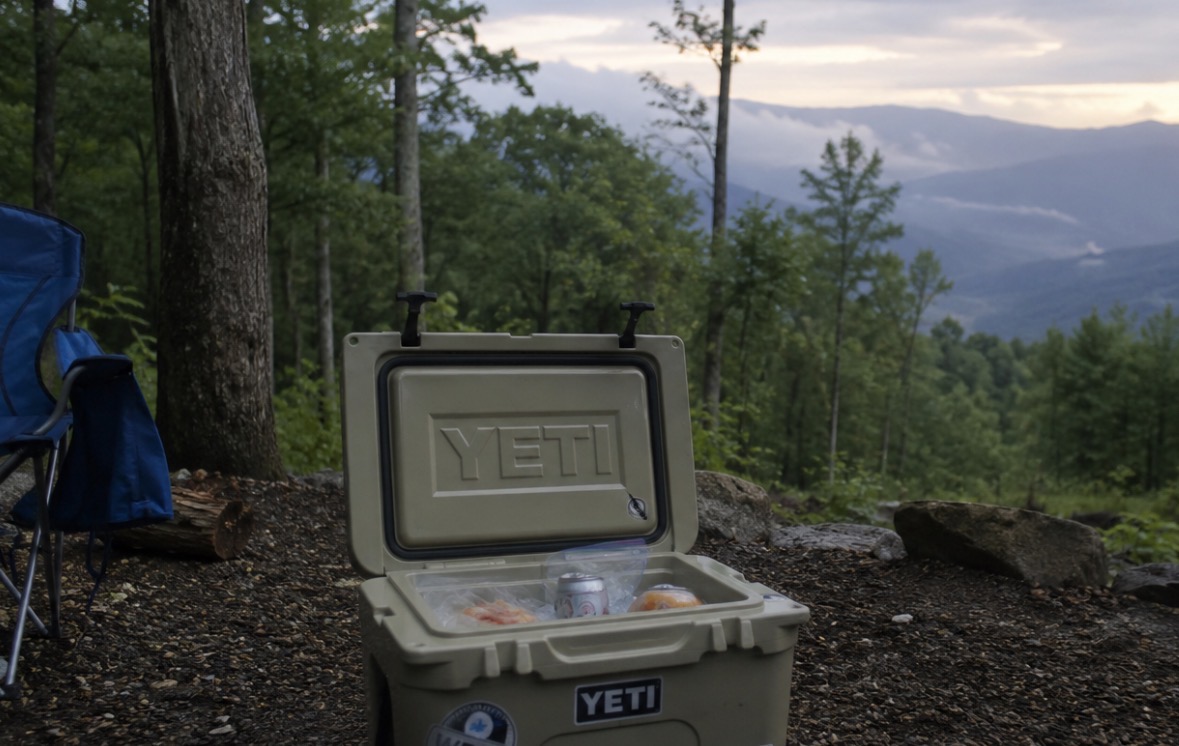
Leaving coolers unattended, feeding wildlife, tossing food scraps, or failing to secure trash teaches bears that people are a food source.
Once that happens, bears become much more likely to approach visitors and vehicles. In some situations, those bears must eventually be relocated or euthanized to protect public safety.
The best way to protect black bears is to help keep them wild.
Are Bear Sightings a Good Thing?
Absolutely.
Great Smoky Mountains National Park is home to an estimated 1,900 black bears, making it one of the largest protected black bear populations in the eastern United States.
For many visitors, spotting a bear from a safe distance becomes the highlight of their trip.
The key is remembering that black bears are wildlife, not attractions.
Enjoy the moment, take photos from a safe distance, and allow the bear to continue its natural behavior.
Stay Up to Date with SmokiesApp
Bear activity, trail closures, weather, and road conditions can change quickly in the Smokies.
SmokiesApp helps you stay informed with real-time updates, local events, trail conditions, weather, and helpful tips throughout Gatlinburg, Pigeon Forge, Sevierville, Townsend, and Great Smoky Mountains National Park.
Join the waitlist and be among the first to experience SmokiesApp when it launches.
Save. Explore. Play.
Plan your Smokies trip with SmokiesApp
Deals, events, trails, and local tips in one app. Join the waitlist for first access.
Frequently asked questions
When are black bears most active in the Smokies?
Bear activity typically increases from late spring through summer as bears search for food, raise cubs, and travel during breeding season.
Where is the best place to see bears in Great Smoky Mountains National Park?
Cades Cove is one of the most popular places to spot black bears, although sightings are also common in Greenbrier, Roaring Fork, Elkmont, and along Newfound Gap Road.
How close should you get to a black bear?
The National Park Service recommends staying at least 150 feet (50 yards) away from every bear.
What should you do if a bear approaches you?
Stay calm, slowly back away, give the bear an escape route, and never run or approach it for a closer look.
Is it common to see bears in Gatlinburg?
Yes. Bears are frequently seen in neighborhoods, around cabins, and near hotels that border the Great Smoky Mountains National Park, especially during the summer.